
Choosing Refractive Surgery in Johannesburg: Buyer’s Guide

Start with your vision goals and eligibility
When you’re comparing options for laser vision correction, begin by clarifying what you want to achieve. Some people mainly want sharper distance vision for driving, while others need help with night glare or day-to-day screen focus. Your prescription strength, eye laser eye surgery Johannesburg health, and corneal measurements all affect what result is realistic and how stable it will be over time. A structured consultation helps you translate goals into a plan rather than relying on marketing promises.
Eligibility is not only about how strong your glasses prescription is. The eye’s tear film, corneal thickness, irregular astigmatism, and pupil size in low light can influence both safety and comfort. Doctors also consider prior eye conditions, such as dry eye disease, corneal scarring, or inflammation. This is why a full assessment with imaging and refraction matters before choosing any procedure in the Johannesburg area.
Understand how the main procedures differ for informed decisions
Many buyers search for options but are unsure about which technique best matches their corneal profile. A useful approach is to learn what each method does at a practical level, including how the surface is treated and how healing typically feels. Lasik eye lasik eye surgery vs prk surgery vs prk is often compared because they differ in corneal handling. Lasik creates a flap for reshaping, while PRK reshapes the surface directly, which can change recovery timelines and the way early comfort is managed.
In practice, the “best” choice depends on your measurements, not just personal preference. For some patients, a procedure that preserves corneal stability may be recommended, especially when the cornea is thinner or has certain surface irregularities. For others, the option that supports long-term vision quality and addresses astigmatism may be favored. Your surgeon should explain the trade-offs in plain language, including expected visual recovery, potential need for enhancement, and strategies to reduce dryness and glare symptoms.
Before you commit, ask how your outcomes are predicted using testing results. A reputable clinic will outline what they see in your cornea and why that points toward one technique rather than another. You can also ask about contingency plans if your prescription changes or if a minor enhancement is needed later. The goal is to feel confident that your choice was guided by evidence from your own eye data.
Questions to ask clinics to verify quality and reduce risk
Buyer-intent decisions come down to trust, transparency, and the quality of follow-up care. Ask what equipment is used for scanning and mapping, and whether topography or tomographic imaging is part of the pre-op evaluation. Confirm who performs each step of the process, including measurements, laser treatment, and post-operative checks. Clear communication around risks and aftercare is a strong indicator of a well-run practice.
It’s also wise to discuss comfort planning and dry-eye management. Many candidates experience temporary dryness after treatment, and a good clinic will discuss lubrication, medication, and timelines for symptom improvement. Ask how they monitor healing and how frequently you will be reviewed during the early recovery period. If you wear contact lenses, confirm the required cessation period so your cornea returns to a stable baseline for accurate testing.
Finally, request a realistic discussion of outcomes, including how the clinic handles complications and unsatisfactory results. You should receive guidance about night vision, starbursts, and glare—especially if you drive often in low light. If you’re a candidate for more than one method, the doctor should explain why one is safer or more suitable for your eye measurements. This helps you make a confident decision about options without being rushed.
Conclusion
Choosing refractive surgery is a major decision, so the best buyer-intent path is to combine your personal goals with a thorough clinical assessment. Focus on eligibility, understand the differences between procedures, and verify the testing, safety protocols, and follow-up structure at each clinic. When you ask targeted questions, you’ll uncover how outcomes are predicted and how comfort is supported during healing.
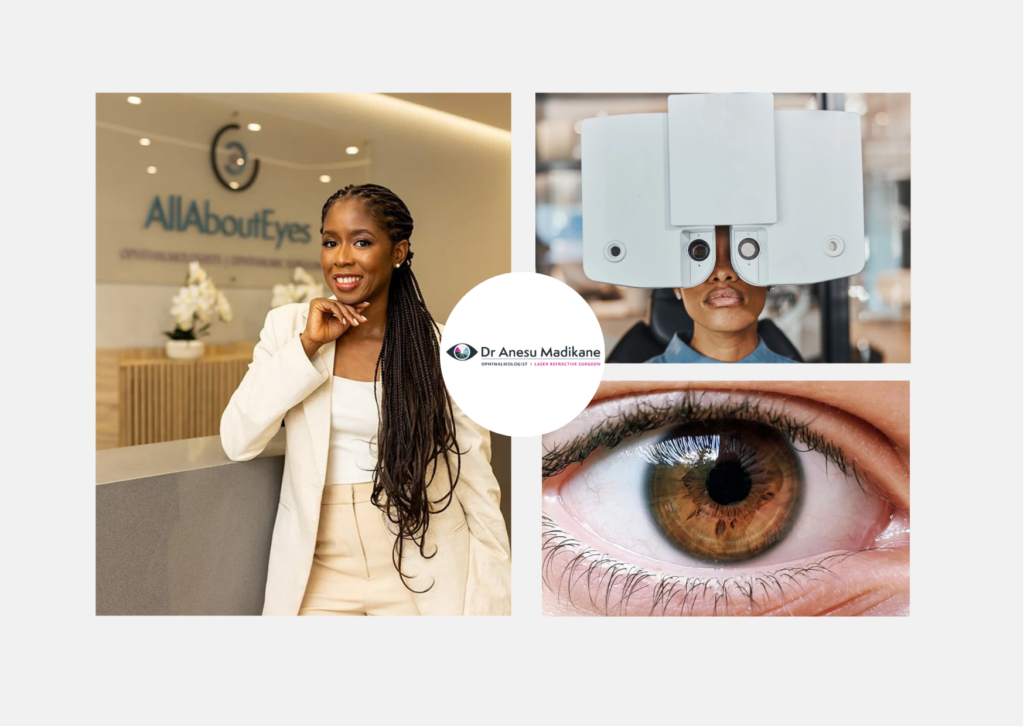
If you want a consultation that prioritizes clarity and patient education, consider reaching out through Dr Anesu Madikane. The team at dranesumadikane.co.za supports patients researching laser vision correction by explaining refractive considerations and the options that may fit their individual eye findings. A thoughtful conversation can help you move from uncertainty to a well-informed plan for your vision.
Leave Your Comment