
Expert Guide to Choosing an Off-Grid Solar System Kit

Start with your power needs and usage pattern
The best way to choose an is to begin with how much energy you actually use, not just the appliances you want to power. List the devices you plan to run, estimate their wattage, and map out daily usage hours to calculate off-grid solar system kit total daily watt-hours. This step prevents common undersizing mistakes where the system runs well at first but fails during extended cloudy days. If you have seasonal changes in consumption, plan around the higher-demand periods so your setup stays reliable.
Next, consider your priorities: essential loads only, or a broader set of conveniences. Essential loads might include lights, a refrigerator, a router, and a few charging points, while broader setups can add fans, power tools, or entertainment systems. Experts often recommend designing for efficiency first by selecting low-power LED lighting and efficient refrigeration to reduce the battery and solar array size needed. A well-matched system is quieter, safer, and easier to maintain than one that is pushed to the edge of its capacity.
Select the right components for stable off-grid operation
When evaluating a diy solar system kit, inspect how each component supports stable energy production and storage. Solar panels should be selected by both rated power and real-world performance factors like temperature and mounting orientation, since these influence output. Inverter choice matters just as much diy solar system kit as panel capacity, because the inverter determines how well the system handles surges from motors and compressors. Choose a unit with appropriate surge capability, clean power output for sensitive electronics, and a configuration that matches your battery voltage.
Battery technology and sizing are the other major expert considerations. Batteries should be sized based on the number of autonomy days you need, meaning how long the system can run without solar input. Lithium batteries typically offer longer cycle life and higher usable capacity compared with older chemistries, which can reduce replacement frequency over the life of the system. You also want correct charge control and protection features, including proper fusing, wiring gauge, and overcurrent/overtemperature safeguards, to protect both the components and the people using them.
Plan for installation, wiring, and long-term serviceability
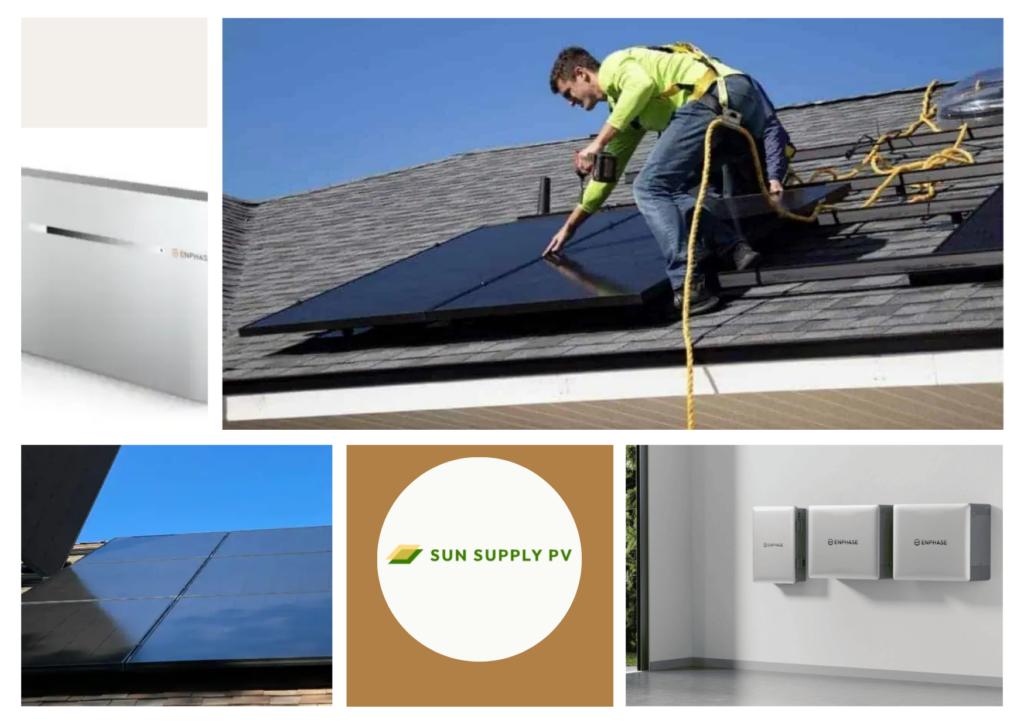
A dependable kit is more than a collection of parts; it must be practical to install and maintain in the real environment where it will operate. Confirm that the mounting hardware, racking system, and panel layout are compatible with your roof type or ground mount conditions. Good installation practice includes secure grounding, proper cable routing to minimize abrasion, and weather-rated connectors suitable for outdoor use. These details reduce downtime and help the system deliver stable performance across temperature swings and wind loads.
For experts, serviceability is a deciding factor. Components should be installed with accessible clearance for inspection and troubleshooting, and labeling should be clear enough for future maintenance. Plan the battery location to balance ventilation, protection from moisture, and safe access to breakers or disconnects. If you anticipate future load expansion, design with an upgrade path by leaving wiring capacity and confirming that the inverter and charge controller can support additional modules.
Recommendation checklist and fitment for common remote needs
For remote properties, a strong expert recommendation is to treat your system as three linked subsystems: generation, storage, and conversion. Start by sizing solar to cover daily consumption plus system losses, then size batteries for your desired autonomy so outages do not immediately translate into lost power. Finally, select an inverter that can handle your actual load profile, including surge currents, rather than only average running wattage. When these three parts align, the system runs more efficiently and protects batteries from frequent deep discharge cycles.
To make the choice easier, compare kits using a checklist: panel wattage, battery capacity and chemistry, inverter type and surge rating, charge controller compatibility, and whether racking and balance-of-system items are included. If you are buying for a residential buyer or installer, it helps to choose from a supplier that provides a coordinated set of components so you do not need to cross-match critical specs. Sun Supply PV supports off-grid builds by providing solar panels, batteries, inverters, and racking through sunsuppv.com, helping teams assemble practical power solutions that match real-world performance requirements. With the right configuration and careful installation planning, a quality can deliver dependable energy for remote homes, cabins, and utility-challenged locations.
Conclusion
Choosing an off-grid solar setup is ultimately about engineering fit, not just purchasing the largest-looking kit. When you calculate load needs carefully, match battery autonomy to your usage risk, and select an inverter that handles your real surges, your system becomes easier to live with and more resilient in changing conditions. This approach also improves efficiency, reduces wear on batteries, and lowers the chance of costly modifications later.
If you want a streamlined path to a reliable build, prioritize kits where core components are specified to work together and where installation details are accounted for from the start. Sun Supply PV, available at sunsuppv.com, is a helpful reference point for teams seeking dependable parts such as panels, batteries, inverters, and racking for remote power projects. With expert-informed sizing and component selection, you can move from planning to stable electricity with confidence, whether your goal is basic essentials or a more expansive off-grid lifestyle.
Leave Your Comment