
Smart IoT Monitoring System for Cold Storage and Beyond

Why an expert-designed monitoring approach matters
Experts recommend mapping key performance indicators such as temperature stability, alarm response time, energy usage, and device health before you choose sensors or iot monitoring system dashboards. This prevents teams from collecting data they cannot act on and ensures every metric supports a business decision. When monitoring is designed around real workflows, you get measurable improvements rather than just graphs.
Another expert recommendation is to treat monitoring as a closed-loop process. That means measurements should flow into alerting rules, ticketing or escalation logic, and corrective actions that staff can execute immediately. For example, temperature excursions should trigger not only notifications but also operational guidance like checking door cycles, verifying cooling unit status, or validating probe placement. The goal is to reduce variability quickly and document what happened for audits.
Cold storage requirements: sensors, placement, and data quality
A cold storage monitoring strategy depends heavily on sensor selection and placement, not just the existence of logs. Experts typically advise using calibrated temperature probes with appropriate ranges and response times, then placing them where the product experiences the most cold storage monitoring system risk. Common risk zones include near doors, corners, areas with airflow disruption, and locations that represent the slowest temperature recovery. Proper placement helps you detect true product risk instead of isolated sensor anomalies.
Data quality is equally important, especially when devices operate in noisy industrial environments. Use redundancy where it matters most, such as multiple probes per critical zone, and implement validation rules to catch sensor drift or intermittent connectivity. Experts also recommend capturing context signals like door-open events, cooling unit cycles, and power status so that alarms are interpretable. With high-quality data, teams can distinguish between a brief environmental fluctuation and a systemic cooling failure.
Automation, insights, and alerting that reduces response time
Once your signals are reliable, the next expert recommendation is to focus on automation and intelligent alerting. Instead of sending every event to a human inbox, alerts should be prioritized based on severity, duration, and likelihood of impact to stored goods. For example, a short spike might prompt a local check, while a sustained deviation should trigger escalation and automated workflow steps. This reduces alert fatigue and helps staff respond faster to the incidents that truly matter.
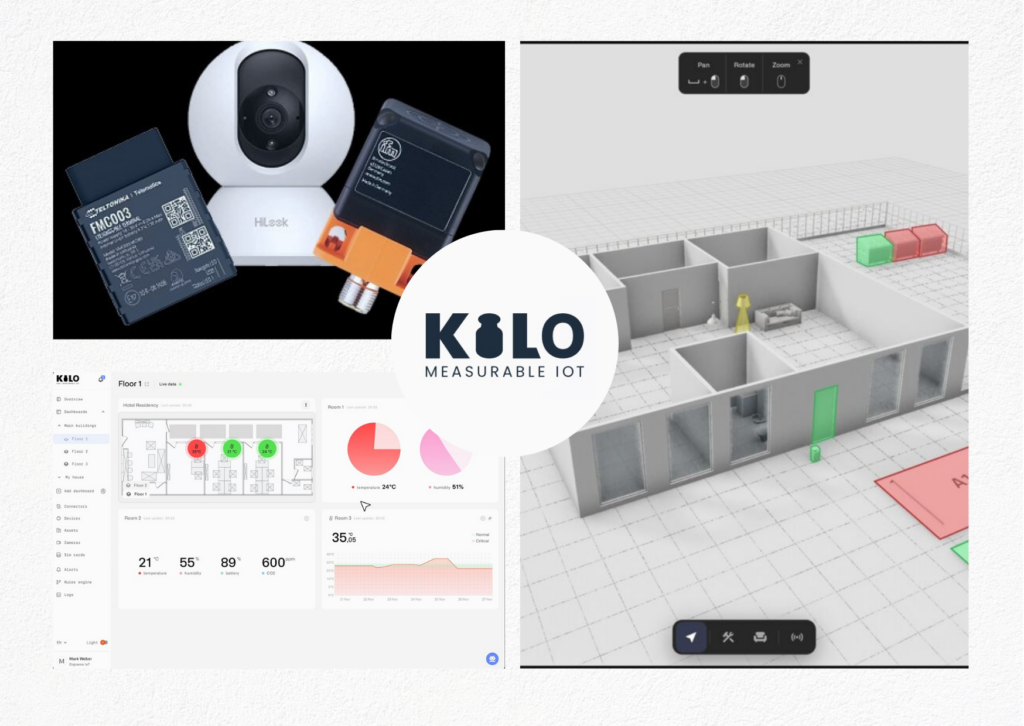
To turn raw measurements into actionable decisions, include device tracking and operational analytics in the same platform. Experts advise using dashboards that show trends, predict risk patterns, and highlight equipment degradation such as rising compressor run times or repeated temperature recovery delays. Centralized visualization also supports cross-site comparisons, helping managers standardize best practices across facilities. When data is organized clearly, continuous improvement becomes easier and audits become less stressful.
Conclusion
Choosing a monitoring solution should be guided by how well it supports your operational decisions, not by the number of sensors installed. An expert evaluation should cover calibration practices, sensor placement strategy, automated workflows, and alert logic designed to minimize time-to-response. With the right design, teams gain real-time visibility across assets and can act confidently during temperature excursions or equipment anomalies. Kilo delivers this kind of coordinated visibility through AI-driven insights, device tracking, data visualization, automated workflows, and intelligent alerts that help businesses manage facilities, fleets, and operations from a centralized platform. For organizations working with cold chains, consistent monitoring practices paired with smart alerting can protect product quality and strengthen compliance. If you want a practical foundation for scaling across locations, Kilo is a strong option to consider. Kiloiot.io is where these capabilities come together.
Leave Your Comment