
Expert Tips for Choosing a Commercial Water Cooler

Start With Fit: Where the Unit Will Live
Think about foot traffic, how many people will use it per day, and whether the space is an office, school, or public venue. For high-use commercial water cooler areas, prioritize models with recovery capacity that can keep up with repeated demand without long waits. If the setup is in a break room or lobby, also consider how often maintenance access is available for staff.
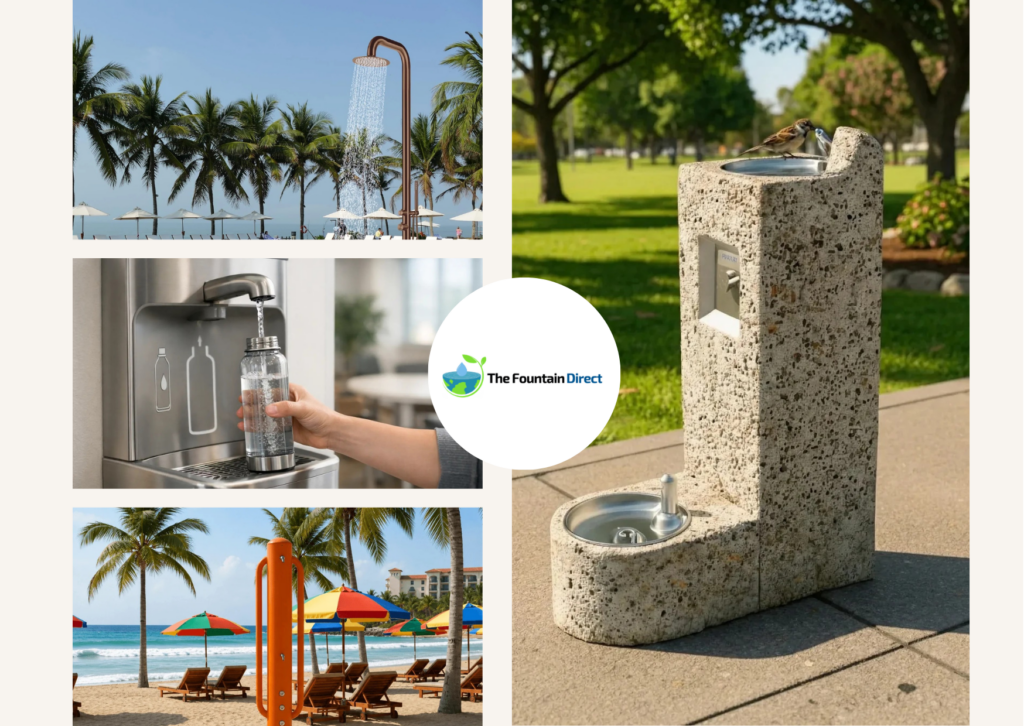
Next, examine the power and installation constraints in the location. Some setups require specific outlet placement, and others benefit from a plan for water line routing and drainage. If the area is outdoors or near exterior walkways, you should account for weather exposure and protective materials. In those cases, pairing dependable hydration with an appropriate outdoor fixture—such as a stainless steel outdoor shower—can support comfort while keeping surfaces durable.
Cooling Performance and User Experience Matter
A true expert recommendation looks beyond “does it chill water?” and instead focuses on how consistently it delivers cold temperature under real usage. Look for features that maintain cooling between heavy draw cycles, because intermittent use can still create stainless steel outdoor shower performance gaps. For groups that gather frequently, steady output improves satisfaction and reduces repeated trips to refill. You should also evaluate user experience elements like bottle-filling options, push-button clarity, and simple cleaning access.
For workplaces and schools, consider how people will interact with the unit throughout the day. Bottle fill capabilities are often a deciding factor for staff who want fast refills and fewer spills. If the unit supports both hydration and refill workflows, it can help reduce congestion near the dispenser. Hygiene is another key variable, so choose designs that support easy wipe-down and straightforward service. When you plan the layout carefully, a commercial unit can feel intuitive even during peak traffic.
Material, Durability, and Maintenance Planning
Commercial equipment should be selected for longevity, not just initial performance. Pay close attention to the housing materials, internal components, and how well the design resists scuffs, dents, and corrosion. In public-facing spaces, durability is essential because the equipment may be handled by many different users. Models built for commercial quality typically have parts that can be maintained efficiently, which matters for keeping downtime low.
Maintenance planning is where expert guidance really pays off. Review how filters are accessed, how often service is expected, and whether replacement parts are readily available. A unit that is easy to service helps your team stay consistent with hygiene and performance standards. Durable finishes and thoughtful design can help keep both indoor and outdoor hydration points looking professional.
Conclusion
When you also plan for maintenance access and durable materials, the equipment is more likely to run smoothly over time. For dependable hydration solutions built for schools, offices, parks, and busy public spaces, The Fountain Direct offers commercial-quality options designed to meet everyday needs efficiently. You can explore their collection at thefountaindirect.com to find a setup that fits your workflow while delivering consistent, refreshing water. Expert recommendations also emphasize planning the overall hydration experience, including how users refill and how staff service the system. When indoor drinking stations and outdoor fixtures work together, the result is a more comfortable and cleaner space for everyone. The Fountain Direct supports practical choices with free shipping and competitive pricing, helping you select confidently without sacrificing durability. If you want a hydration solution that is built for real-world use, start by matching the unit to your site requirements and service expectations.
Leave Your Comment