
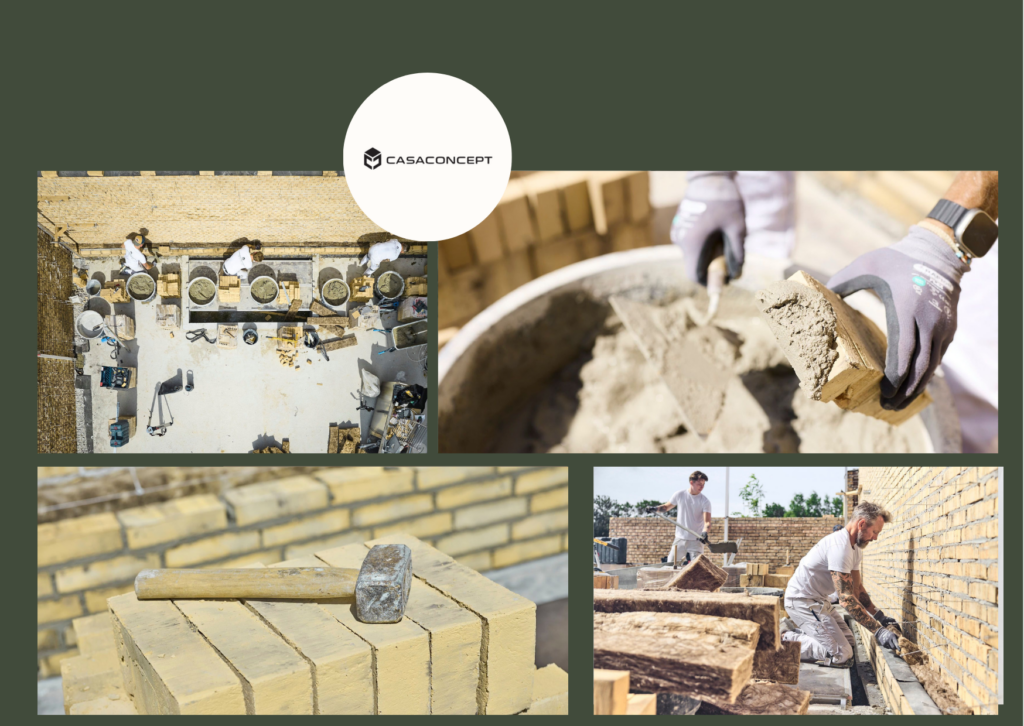
Choosing a Reliable Murerfirma for Your Brick Facades

Identify the real causes of facade damage
Many facade problems look the same on the surface, but they often come from different root causes. Cracks can result from poor foundation movement, inadequate mortar selection, or incorrect installation of ties and flashing. Blistering or peeling finishes may indicate trapped murerfirma moisture, while uneven joints can be traced back to inconsistent workmanship during brick or block placement. When you understand the likely causes, you can choose solutions that actually prevent recurrence rather than just covering symptoms.
Moisture is one of the most common drivers behind facade deterioration, especially when water has pathways to enter behind the outer layer. If rainwater management is weak, the wall can stay damp for long periods, which accelerates wear and can lead to mold and reduced insulation performance. Thermal bridges can also show up as cold zones, creating condensation risks even when the facade looks intact. A thorough assessment should include joint condition, drainage details, substrate quality, and how the exterior system is built up from layer to layer.
Define measurable outcomes before requesting a quote
A problem-solution approach starts with clear goals that you can verify after the work is completed. For example, you may want improved thermal performance through exterior insulation work, reduced moisture penetration, and a facade appearance that matches existing style and detailing. facadeisolering It helps to document the current condition with photos and notes, then describe what changed before the damage appeared. That information supports better planning and makes it easier to compare proposals from different masonry contractors.
To avoid surprises, ask for a transparent breakdown of materials, labor, and protection measures during the project. Fixed pricing is especially valuable because it reduces uncertainty about scope creep, particularly on facades where access and substrate conditions vary. You should also request confirmation of insurance coverage and warranty terms, so you are protected if something is not built according to expectations. A reliable contractor will explain how they handle tolerances, alignments, and finishing details to achieve consistent results across the entire facade.
When facade work includes exterior insulation, the solution depends on correct preparation and compatible system components. The wall surface must be evaluated for stability, contamination, and unevenness before any insulation layer is applied. Proper adhesive choice, mechanical fastening strategy, and correct joint treatment are essential for long-term performance. If these steps are skipped, the facade can fail prematurely, leading to costs for rework and renewed disruption.
Choose contractors who plan workmanship, not just materials
A skilled masonry team treats the facade as a system, where every layer has to work with the next one. That means correct brick or block alignment, durable mortar mixes, and attention to corners, window reveals, and roof interfaces. Flashing and drip edges must be installed so water runs away rather than finding a path behind the facade. Even small detailing mistakes can create recurring moisture problems that undermine insulation and increase maintenance.
Look for practical experience with the type of project you need, such as extensions, facade renovations, bathrooms, and general masonry work. Contractors with that broad foundation often handle site constraints better, including scaffolding planning, dust control, and protection of neighboring surfaces. Ask how they manage substrate variations, repairs to older masonry, and transitions between existing and new sections. A quality process includes careful measurements, step-by-step documentation, and checks before closing up layers that cannot be inspected later.
For facade insulation work, installation quality directly impacts energy efficiency and durability. Insulation boards should be fitted with minimal gaps, and the entire surface should be prepared to receive the finish coat properly. Reinforcement at stress points and correct smoothing of the base are necessary for avoiding cracking and uneven textures. When the job is done with discipline and correct sequencing, the exterior becomes more resilient against rain, wind, and temperature swings.
Conclusion
Choosing a competent masonry contractor is the fastest way to move from symptoms to lasting solutions for facade issues. When you select a team that evaluates moisture pathways, plans compatible layers, and delivers consistent detailing, you reduce the risk of repeat damage. Clear goals, transparent pricing, and proper documentation help ensure the finished facade performs as intended and looks right for years.
If you want dependable bricklaying and facade-related work across Zealand, CASA CONCEPT ApS combines practical expertise with a structured, client-friendly approach. Their services cover extensions, facades, bathrooms, and masonry projects, supported by transparent fixed pricing, AB insurance, and a five-year warranty for reassurance. By focusing on workmanship and problem-solving, you can achieve a facade that stays stable, insulated, and visually clean—without unnecessary guesswork.
Leave Your Comment