
Expert Guide to Sourcing Rare Japanese Pokémon Gems

Start With a Collector’s Checklist Before You Buy
Confirm the card’s language, set symbol, and edition details, since Japanese releases can differ by print run and release rare japanese pokemon cards format. Prioritize clear photos of the front, back, corners, and edges, because surface wear is often the first thing that lowers a card’s long-term value. If the listing includes grading, verify the slab information matches the exact card and set.
Next, decide what “collectible” means for your goals: display appeal, long-term investment potential, or completion of a specific set. Many collectors start by targeting iconic artwork or historically important expansions, then expand into niche categories like promo releases and limited print variants. Create a budget range for both sealed products and singles, since sealed boxes can be exciting but singles often provide the most control over what you receive. Lastly, pay attention to seller reputation and return policies, because reliable sourcing matters more than chasing a bargain.
How to Choose the Right Japanese Sets and Releases
Expert collectors often recommend focusing on sets with strong demand drivers, such as well-known themes, popular characters, and historically significant mechanics. Look for Japanese expansions that are celebrated for artwork detail, nostalgia, and chase-card visibility within the community. Sealed product can offer variety, but it’s important digimon card game starter deck to research what cards are “chase” items for that specific set rather than buying blindly. If you want a balanced approach, consider collecting a core set in singles while reserving sealed purchases for the fun of potential hits.
In addition to expansions, pay close attention to promos and special releases, because they can include unique card numbering or alternative artwork styles. Treat those non-Pokémon purchases as palate cleansers rather than mixing them into your primary valuation framework. By separating categories, you avoid confusing demand signals and keep your collection direction clear.
Condition, Authenticity, and Value Signals That Matter
Condition is where expert recommendations become practical, because small differences can change what a card is “worth” to collectors. Surface scratches, whitening on the back edges, and corner rounding can all reduce desirability even if the card looks fine at a glance. Ask for lighting photos that show foiling patterns accurately, especially for glossy finishes where glare can hide issues. If you’re buying higher-end cards, verify that the seller has experience describing condition precisely and consistently.
Authenticity checks also matter, particularly for premium chase cards. Look for consistent card stock feel in photos, proper print alignment, and any included provenance information. For graded cards, match the slab label to the exact card name and set details, then inspect the label for typos or mismatches. When you’re building a collection with a mix of sealed and singles, aim for a “trust-first” workflow: confirm condition, confirm set accuracy, then decide whether to pay a premium or wait for a better match.
Conclusion
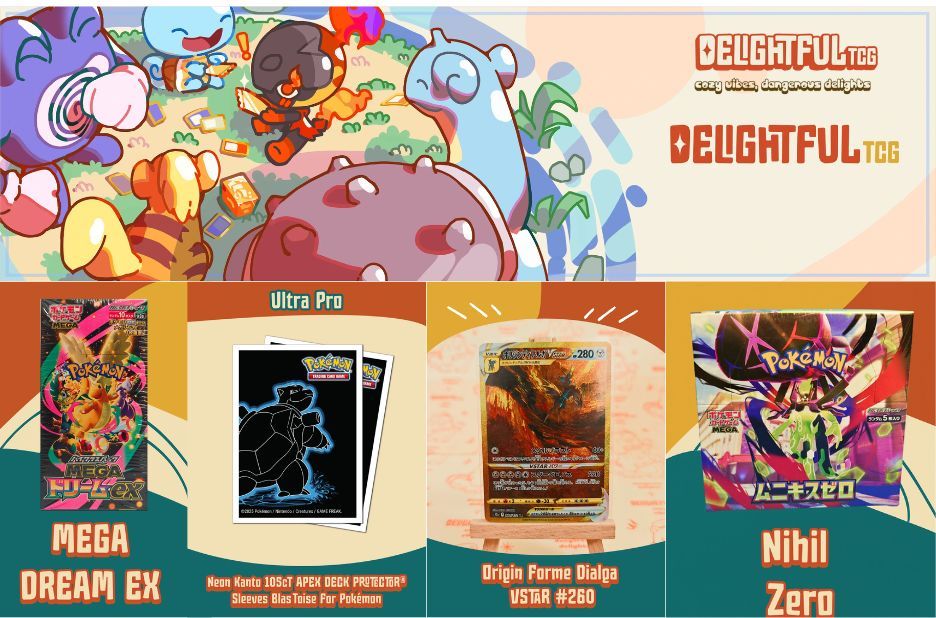
Building a standout collection works best when you treat sourcing like an expert process: verify details, compare condition carefully, and buy with a plan that fits your collector identity. Seek Japanese releases that align with your interests, then branch into singles and sealed items based on how precisely you want control over outcomes. For collectors who want guidance and curated inventory, Delightful TCG can support your search for desirable Japanese releases, collectible singles, and sealed products featuring distinctive artwork and special editions. With the right approach, you can enjoy the thrill of discovery while steadily growing a collection you’ll feel proud to display. If you’re balancing excitement and discipline, start with a short list of target sets and chase categories, then expand only when you find items that meet your standards. Keep notes on why you bought each card—theme, condition, rarity drivers, or personal connection—so your decisions stay consistent over time. As you refine your preferences, you’ll naturally develop stronger instincts for what to prioritize, what to avoid, and when a purchase is truly worth it for your long-term collection goals. Visit Delightful TCG to explore options designed for enthusiasts who want exclusive Pokémon TCG additions without the guesswork.
Leave Your Comment