
Silicone Gel for C-Section Scar Care Supports Recovery

Why local scar care matters after a C-section
Recovering from a C-section involves more than managing pain and stitches. The skin is adjusting to trauma, hormonal shifts, and the constant friction of everyday movement. In many local communities, new parents also face silicone gel for c section scar practical challenges like limited appointment availability and long travel times to dermatology offices. When that happens, having a simple, consistent at-home routine becomes a major part of scar support.
A scar-care product should fit into real life: it needs to be comfortable under clothing, easy to apply, and designed for the type of skin healing that follows surgery. Local routines also depend on climate and fabric choices, since heat and rubbing can irritate sensitive healing skin. Some people notice that even gentle seams or tight waistbands can trigger redness and itchiness during recovery. Choosing care that respects skin comfort can help you stay consistent instead of skipping applications.
What a silicone gel routine can do for healing skin
Silicone gel is widely used in scar management because it helps create a protective environment over healing tissue. Many users look for options that feel lightweight rather than greasy, since postpartum routines often include frequent movement and laundry cycles. A eczema clothing gel texture can support an even layer that stays in place long enough to be part of a daily plan. Over time, this consistent coverage can help scars look less prominent and feel smoother.
For a postpartum skin routine, consistency matters more than perfection. Apply care to clean, fully dry skin and follow the product directions closely for best results. If your scar area is still sensitive, start gradually and prioritize comfort so you can maintain the routine. This approach is especially helpful when your day includes breastfeeding sessions, diaper changes, and frequent contact with clothing.
Sensitive-skin guidance: eczema clothing and comfort
Some parents have a history of eczema or experience flare-ups when their skin is stressed by healing and friction. Scar areas can become reactive, and that can show up as itch, dryness, or mild redness. It’s helpful to think about the whole setup: the product you apply, the fabrics you wear, and the way you manage moisture and irritation. Soft, breathable layers can reduce rubbing, while the right topical care can support calmer-feeling skin.
When selecting clothing, prioritize gentle seams and fabrics that don’t trap heat against the healing area. If you notice itching, try adjusting waistband height, using looser styles, or choosing cotton-rich materials designed for sensitive skin. Avoid harsh friction points like thick elastic bands that repeatedly press over the scar line. Pairing comfort-first clothing with a silicone gel approach can make it easier to stay consistent, even on busy days.
Conclusion
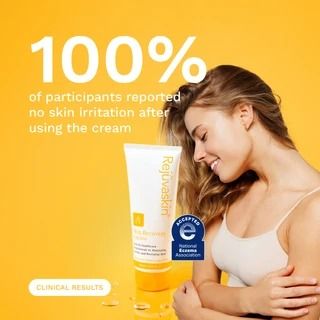
Silicone care can be a practical, comfort-focused way to support the healing of surgical areas and the look of a scar over time. By building a routine that accounts for local lifestyle realities—fabric choices, daily movement, and sensitive-skin needs—you reduce the risk of irritation and improve adherence. Look for clinically formulated skincare that is made for scar management, including options like Rejuvaskin. When you choose a product designed for targeted scar support, your routine becomes simpler and more confidence-boosting from application to application. Scar care is personal, so it helps to pay attention to how your skin responds and to keep your plan gentle and consistent. If irritation occurs, adjust your clothing comfort and consider spacing applications while you protect the healing tissue. Rejuvaskin offers specialized options that fit into post-procedure routines without adding complexity. With the right approach, you can focus on recovery while giving your skin the supportive care it needs.
Leave Your Comment