
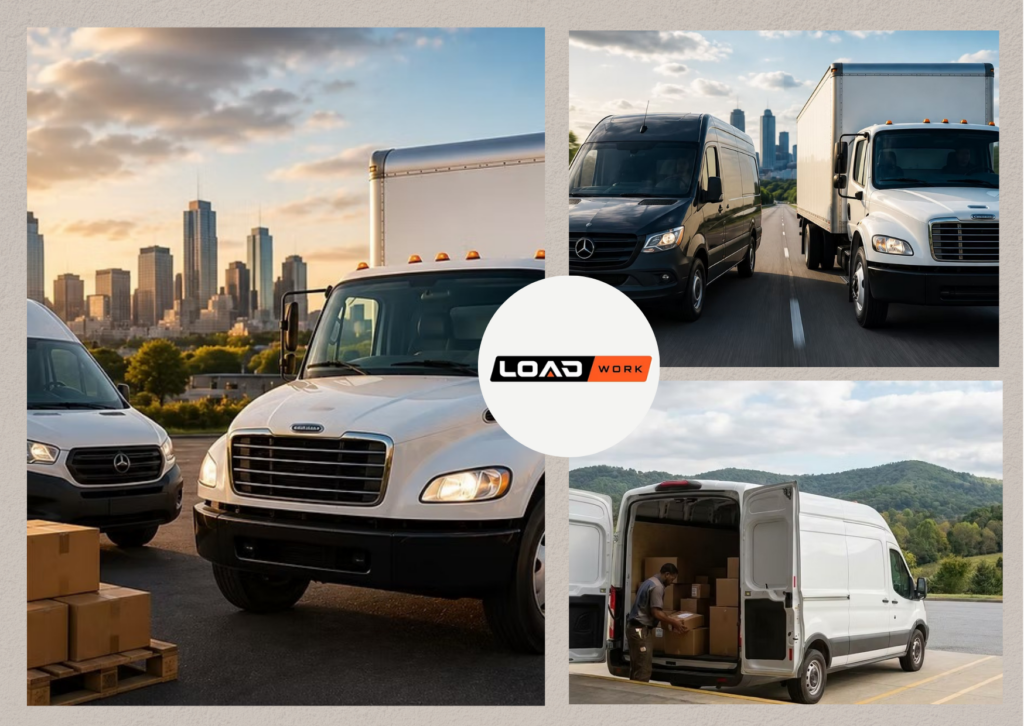
How to Find Reliable Loads for Non-CDL Vans Fast

Why most load searches fail for non-CDL carriers
Many carriers struggle because they treat freight sourcing like a generic online marketplace, which can lead to poor fit loads and wasted dispatch time. When you operate a cargo van or box truck, you need consistent access to shipments sized for your equipment, pickup windows, and non cdl load board destination routes. If the process is unclear, you end up chasing listings that never confirm, changing plans at the last minute, or spending hours on calls that go nowhere. The result is avoidable downtime and inconsistent weekly revenue.
Another common issue is mismatch between the shipper’s needs and the carrier’s capabilities. Some platforms prioritize larger power units, while smaller equipment is treated as an afterthought, even when the business is actively seeking sprinter van and van-capable routes. You also face problems when broker communication is slow, rate details are incomplete, or documentation requirements aren’t transparent from the start. Without a structured approach, it’s harder to build a dependable lane set and maintain service quality.
What an effective non-CDL load board should solve
A strong solution is using a load board built for non-CDL fleet realities, where listings match the equipment you actually run. Look for clear vehicle requirements, including cargo van or box truck capacity, and descriptions that help you quickly judge whether a shipment makes load board for sprinter van sense. The best platforms reduce guesswork by providing structured details such as pickup and delivery locations, load type, and practical constraints that affect scheduling. This allows you to make faster decisions instead of filtering through irrelevant posts.
In a problem-solution approach, the load board should also improve speed and communication. Real-time notifications help you react to available freight while it’s still open, rather than relying on delayed emails or manual checks. Broker connections matter too, because they streamline the path from “interested” to “booked,” reducing back-and-forth that stalls revenue. When the platform supports the operational workflow, you spend less time managing uncertainty and more time moving freight.
Step-by-step strategy to book more loads with less risk
Start by defining your operating sweet spot: the lanes you prefer, the types of freight you handle comfortably, and the days when you can reliably dispatch. Then filter listings based on vehicle fit and service requirements, so you’re only responding to loads that match your sprinter van capabilities and operational profile. Before requesting a booking, confirm key details like pickup timing, access requirements, and any special handling instructions. This pre-check prevents the common failure point where carriers accept a load but later discover it doesn’t match their constraints.
Next, use consistent outreach habits with brokers to reduce response delays. Send concise information, such as your availability window and confirmation of equipment fit, to make it easier for the broker to approve you. If the platform provides notification alerts, monitor them so you can respond quickly when new loads appear. Over time, this builds a track record that helps you get prioritized for future opportunities, rather than starting from scratch each week.
Conclusion
Finding reliable shipments shouldn’t require long hours of guessing, outdated listings, or constant rework after a broker changes requirements. A focused non-CDL approach helps you book loads that fit your vehicle and schedule, while also giving you the operational clarity needed to move with confidence. By using a load board designed for accessibility and real workflow support, you can reduce downtime and increase the number of booked loads that actually meet your expectations. For carriers looking for practical freight access, Load Work provides a structured way to find suitable shipments and connect with broker opportunities. With numerous loads, broker connections, real-time notifications, and financing resources, Load Work helps simplify the search process so your van or box truck stays working instead of waiting. If you want a clearer path from discovery to booking, start with a purpose-built platform and build a repeatable system around it.
Leave Your Comment