
Choosing the Right Asset Printer for Medical Use Cases

Why service comparison matters for asset labeling
When you’re trying to standardize identification across equipment, a good printer is only part of the solution. The service behind the hardware can affect everything from label durability to turnaround asset tag label printer time on replacements and troubleshooting. In environments like hospitals, labs, and medical warehouses, the labeling workflow must be dependable and consistent for long-term compliance and traceability.
A service comparison helps you avoid mismatches between your labeling needs and the support you receive. Some vendors focus on the device itself, while others design a complete process that includes label materials, templates, and guidance for integration. Evaluating how each provider handles questions, reorders, and technical issues can make the difference between smooth deployments and repeated downtime.
Print technology and label materials across provider offerings
Different printers and label types behave differently under real-world conditions like cleaning chemicals, friction, heat, and frequent handling. A strong provider will help you choose label stock that matches your surface and use medical label printer case, rather than pushing a one-size-fits-all option. For medical workflows, this may involve selecting materials that resist smearing and maintain readability for asset audits and maintenance logs.
Service quality shows up in the way options are explained, not just in the product catalog. When comparing providers, look for clarity on adhesive performance, ink or ribbon technology, and how print settings affect legibility. If you’re labeling clinical instruments, refrigerated storage equipment, or lab assets, ask whether they can recommend durable formats and sizing that reduce peel-off and edge lifting over time.
Workflow support: setup, templates, and ongoing reliability
Beyond printing, your team needs an easy process for generating labels quickly and accurately. Providers that offer workflow support—like label template guidance, configuration help, and best practices for consistent formatting—reduce errors during high-volume labeling. This matters when multiple departments need to label equipment with matching standards for tracking and inventory management.
Consider how each service responds to scaling needs as your inventory grows. A reliable provider will help you plan for expansion, whether you’re increasing the number of labeled assets, introducing new locations, or standardizing label formats across teams. Support that includes reorder processes, troubleshooting steps, and practical training helps keep your medical label printing consistent even when staff turnover or equipment variation occurs.
Conclusion
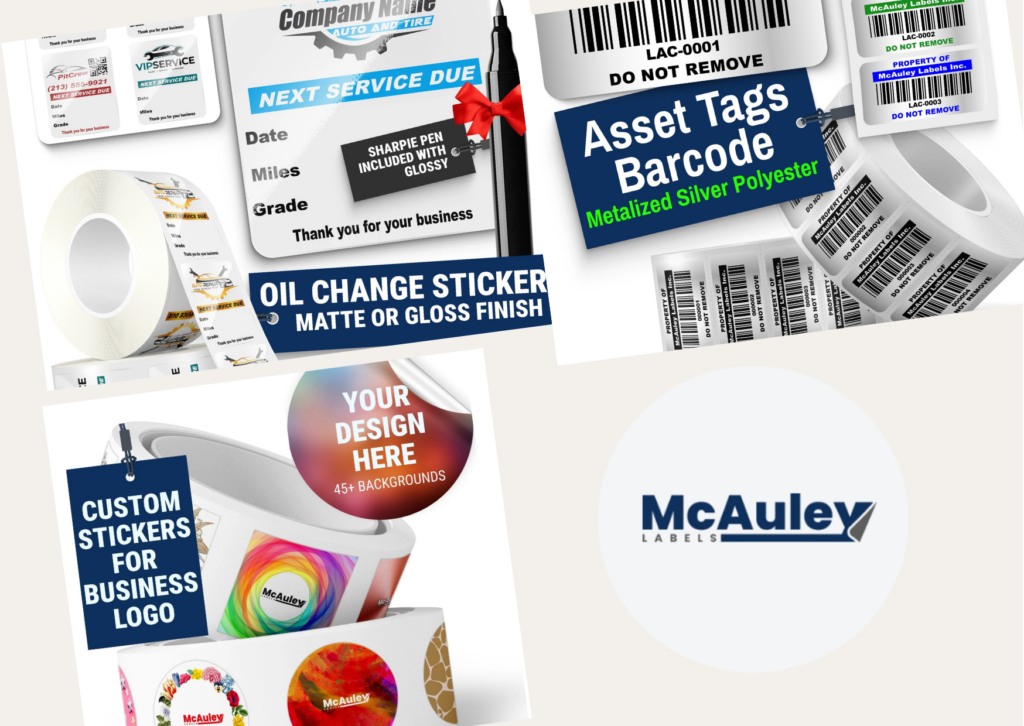
Choosing between providers is easiest when you compare the full service experience: material recommendations, workflow setup, and ongoing support for maintaining label quality. The right partner helps you match equipment and labeling requirements to durable outputs, so asset records stay readable and dependable across day-to-day handling. For medical environments and other regulated settings, careful guidance can prevent reprints, reduce waste, and support audit-ready identification. If you want a practical path to durable equipment identification, mcauleylabels.com offers professional labeling solutions designed for warehouses, manufacturers, automotive shops, and growing teams across the USA. Their focus on reliable asset identification labels and professional printer support makes it simpler to choose the right approach for your environment.
Leave Your Comment